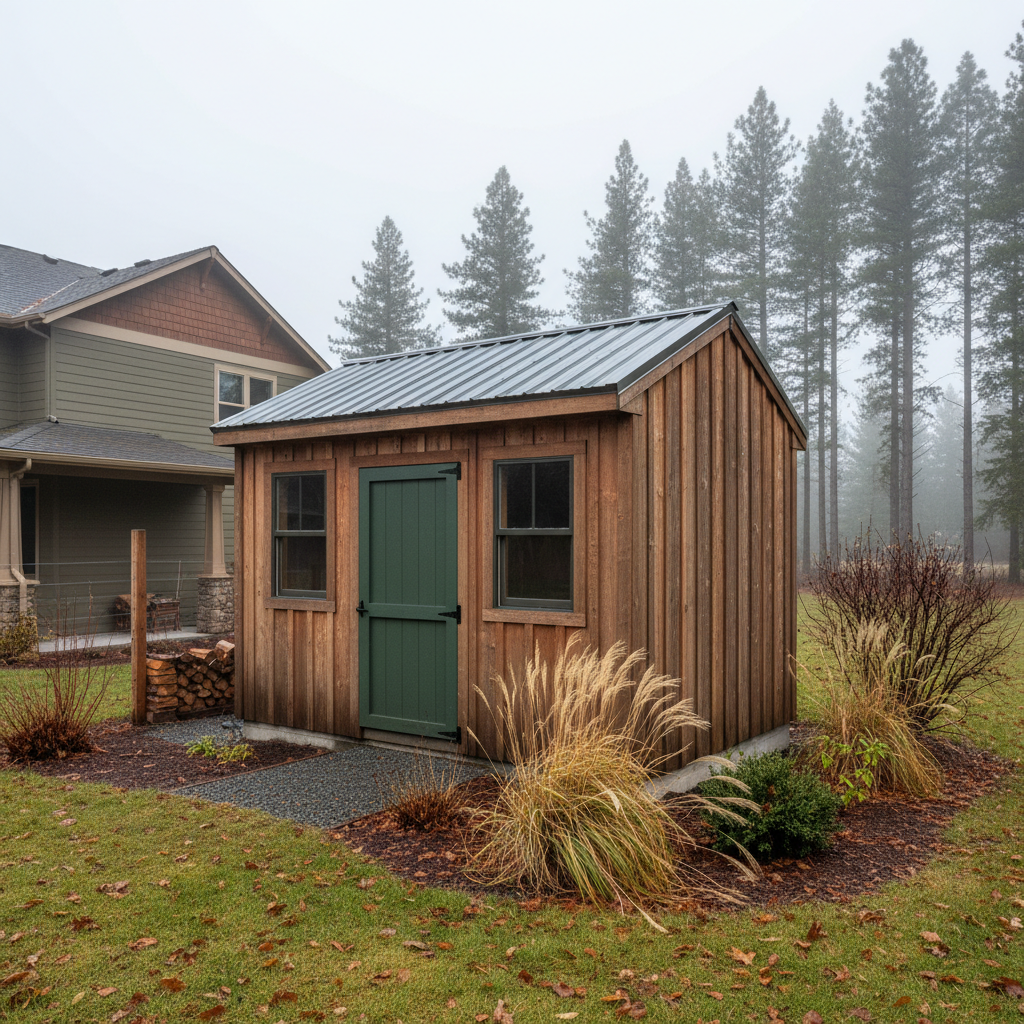
You want a new shed, that's clear. But when's the best time to build it here in Cheney, and what do you need to watch out for with our crazy weather? I get these questions all the time, and for good reason. Our climate isn't like, say, California. You can't just throw up a shed any old time and expect it to go smoothly or last forever if you don't plan ahead.
Timing Your Shed Project Right
Look, if you're thinking about a custom shed, the best time to get the ball rolling is usually late winter or early spring. Why then? Because that's when you can get on a builder's schedule for a spring or summer build. Spring is prime time for us. The ground's thawed out, the heavy rains are usually behind us, and we've got long daylight hours. It’s perfect for site prep, pouring foundations, and getting the structure up.
If you wait until mid-summer to call, you might find yourself waiting a while. Everyone wants a shed when the sun's out, so schedules fill up fast. Plus, working in the peak heat of August isn't ideal for anyone, and it can sometimes affect things like concrete curing if it's too hot too fast.
Fall can work too, especially early fall. But you're always racing the clock against the first hard freeze and the inevitable snow. Once the ground gets too cold or too wet, things slow down considerably. We've built sheds in winter, sure, but it adds complexity and cost, mostly around ground work and keeping materials dry.
Cheney's Climate and Your Shed's Design
Our weather here isn't just about timing; it's about how we build. You've got to consider a few things specific to Cheney:
- Snow Load: This is a big one. We get a fair amount of snow, and it's often heavy, wet stuff. Your shed's roof absolutely needs to be built to handle that weight. We always design with proper roof pitch and strong rafters. Don't skimp here, or you'll be patching leaks or worse after a big storm.
- Moisture and Drainage: Spring thaw and those heavy fall rains mean a lot of water. You need good drainage around your shed. That means proper grading away from the foundation and, often, a crushed rock base under your concrete slab or pier foundation. You don't want water pooling around the base of your shed; that's a recipe for rot and foundation issues. I've seen too many sheds in the Salnave area with water problems because folks didn't think about grading.
- Wind: We get some serious wind gusts out here, especially during those transition seasons. Your shed needs to be anchored properly to its foundation. That's not just for code; it's for keeping your investment from becoming a neighbor's problem.
- Temperature Swings: Our summers can be hot, and winters are cold. This means materials expand and contract. Good construction accounts for this, using appropriate fasteners and leaving room for movement where needed. If you're planning on insulating your shed for year-round use, we'll talk about vapor barriers and ventilation to prevent condensation issues.
Protecting Your Investment Year-Round
Once your shed's built, you're not done. A little maintenance goes a long way to making it last. Here's what I tell my clients:
- Keep an Eye on Drainage: After a heavy rain or snowmelt, walk around your shed. Is water pooling anywhere? If so, you might need to add some dirt or gravel to improve the grade. Clear out gutters if you have them.
- Check for Leaks: Every spring, give the interior a quick once-over. Look for any signs of water intrusion. Catching a small leak early can save you a big headache later. Check around windows, doors, and where the roof meets the walls.
- Maintain the Exterior: If your shed is painted, keep the paint fresh. It's not just for looks; it protects the wood from moisture and UV damage. If it's a natural wood siding, make sure to re-stain or seal it as recommended.
- Clear Snow: After a big snow, especially a heavy, wet one, it's a good idea to carefully clear snow off the roof. Don't let it sit there for weeks if it's really piling up. Use a snow rake; don't climb on the roof unless you're absolutely sure it's safe.
- Ventilation: If your shed isn't insulated, make sure it's got good airflow. Vents in the gables or soffits help prevent condensation and keep the air from getting stale, which can lead to mold or mildew.
Building a shed in Cheney is a smart move for extra storage or a dedicated workspace. Just make sure you're thinking about our local conditions from day one. That's what we do at Cheney Shed Builders – we build 'em tough enough for whatever our Washington weather throws at 'em, so your investment lasts. Give us a call when you're ready to talk details.