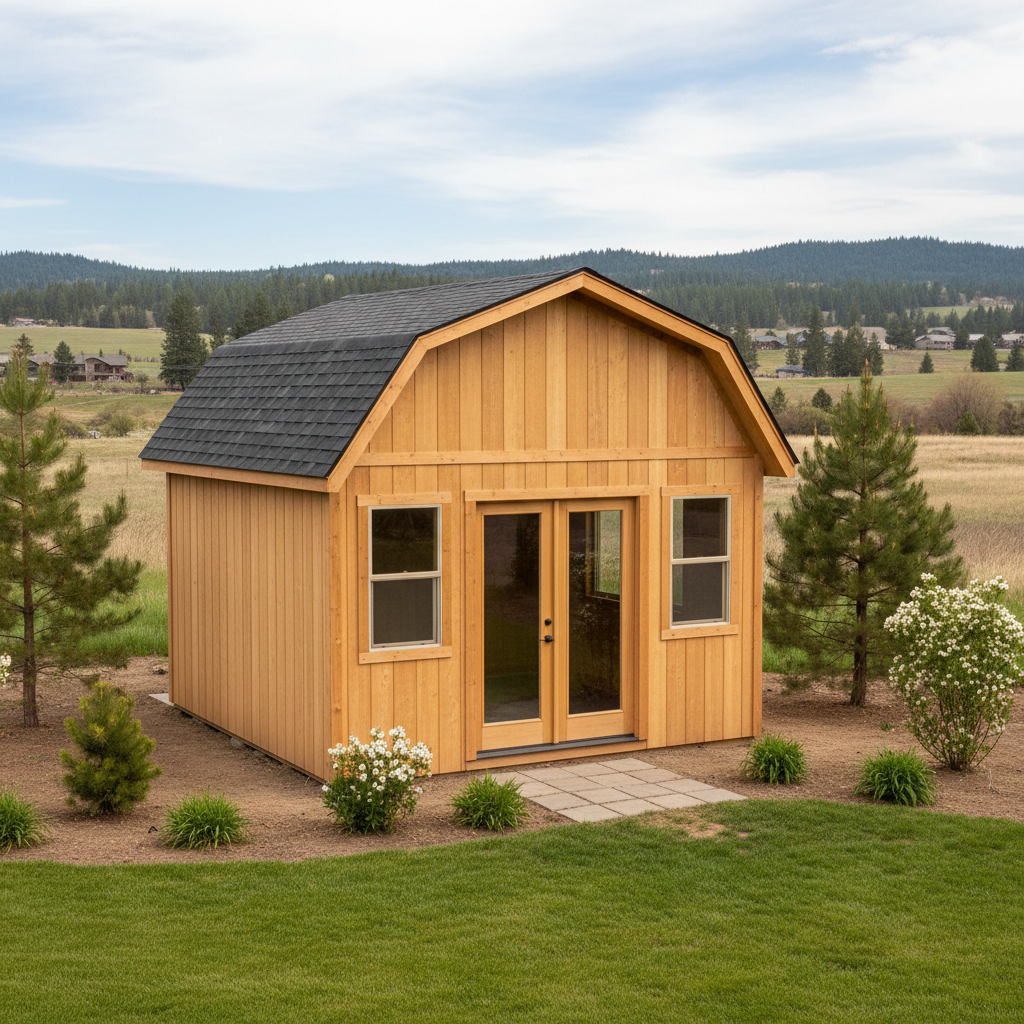
So, you've got this great office shed out back. Maybe you're running your whole business from it, or perhaps it's just your quiet spot to get away. Either way, it's a real investment, and like any building, it needs some looking after. Especially here in Cheney, with our hot, dry summers and those long, cold, wet winters, ignoring maintenance just isn't an option if you want your shed to last.
Make Your Shed Last Longer: It's All About Stopping Problems Before They Start
Think of maintenance as cheap insurance, really. A little effort now will save you a ton of money and headaches later. The biggest enemies of any outdoor structure around here are moisture, UV rays, and critters. You're constantly fighting them, aren't you?
- Good Drainage is Super Important: Seriously, make sure water isn't just sitting around the base of your shed. If you've got a gravel perimeter, keep it clear. And if you have gutters, clean them out! Overflowing gutters can dump gallons of water right next to your foundation. That's a recipe for rot and all sorts of foundation problems. We see this happen all the time, especially with older homes in places like the Salnave neighborhood, where the ground can be a bit sloped.
- Protect that Exterior: Paint and stain aren't just for looks, you know; they're your first line of defense. For wood siding, you'll want to re-stain or repaint every three to five years. That depends on the product and how much sun it gets. Pay extra close attention to the south and west-facing walls because they really take the brunt of our summer sun. UV rays break down finishes, leaving wood wide open to moisture.
- Ventilation Matters: If your shed has an attic or a crawl space, check that those vents aren't blocked. Good airflow stops condensation from building up, which can lead to mold and rot from the inside out.
- Trim Back Vegetation: Keep bushes and trees from touching the shed itself. They hold moisture against the siding, block airflow, and basically give pests an easy bridge right to your structure.
Your Regular Maintenance Checklist: What You Need to Do
You don't need to be a professional builder to handle most of this stuff. Honestly, just a few hours a couple of times a year can make a huge difference.
- Spring Check-Up: Once the snow melts and things dry out a bit, take a walk around your shed. Look for any siding, trim, or roofing that's loose or damaged. Check the caulking around windows and doors — reapply it where it's cracked or missing. Clean out those gutters. And sweep away any leaves or debris from the perimeter.
- Fall Prep: Before winter really hits, do another thorough inspection. Clear those gutters again. Make sure all your windows and doors seal up tight. Check the roof for any lifted shingles or flashing issues that could let water in once the snow piles up. If you've got a wood ramp, give it a good scrub and maybe a fresh coat of sealant.
- Interior Inspection: Don't forget the inside! Look for any signs of water getting in, mold, or pest activity. Check around windows and doors for drafts, too.
- Pest Control: Keep an eye out for ant trails, spider webs, or any signs of rodents. Seal up any small gaps or holes you find. A little steel wool stuffed into a hole can deter mice better than you'd think, actually.
Warning Signs: Don't Ignore These Red Flags
Your shed will definitely tell you when something's wrong; you just need to know what to listen for.
- Water Stains: Any discoloration on the ceiling, walls, or floor inside is a dead giveaway for a leak. Find it and fix it immediately.
- Soft Spots: If you step on the floor or push on a wall and it feels soft or spongy, that's probably rot. This is serious, and it needs fast attention.
- Peeling Paint/Bubbling Siding: This often means moisture is trapped underneath, or that the finish has just failed, leaving the material exposed.
- Sagging or Uneven Floors/Walls: This could point to a foundation issue, especially if the ground under your shed is shifting or settling.
- Musty Odor: A persistent musty smell usually means mold or mildew, which often comes from too much moisture.
- Visible Pests: Sawdust piles, chewed wires, or actually seeing insects or rodents means you've got some uninvited guests.
When to Call a Pro (Like Us at Cheney Shed Builders)
Look, a lot of this stuff you can handle yourself. But sometimes it's just smarter, and safer, to bring in someone with experience. Don't hesitate to call if you see:
- Significant Roof Damage: If you've got multiple missing shingles, big leaks, or structural damage to the roof, that's a job for a professional. Climbing on a roof can be dangerous, especially if you're not used to it.
- Foundation Problems: If your shed is sinking, tilting, or you see large cracks in the foundation, you need an expert to check its structural integrity. This isn't a DIY fix, period.
- Extensive Rot: Small patches of rot you can probably deal with. But if it's widespread, affecting structural parts like studs or floor joists, you'll need someone to properly replace the damaged wood and make sure the repair is solid.
- Persistent Leaks: If you've tried to fix a leak and it just keeps coming back, or you can't even figure out where it's coming from, a professional can often diagnose and repair it efficiently.
- Major Pest Infestations: If you've got an active termite problem or a rodent issue that's really gotten out of hand, call an exterminator first, then a builder to repair any damage they caused.
Your office shed is an asset. Treat it well, and it'll serve you for years to come. A little proactive care goes a long way in avoiding big, expensive problems down the road. If you're ever unsure about something, or you're looking at a repair that feels totally out of your depth, give us a shout. We're always happy to offer advice or come take a look.