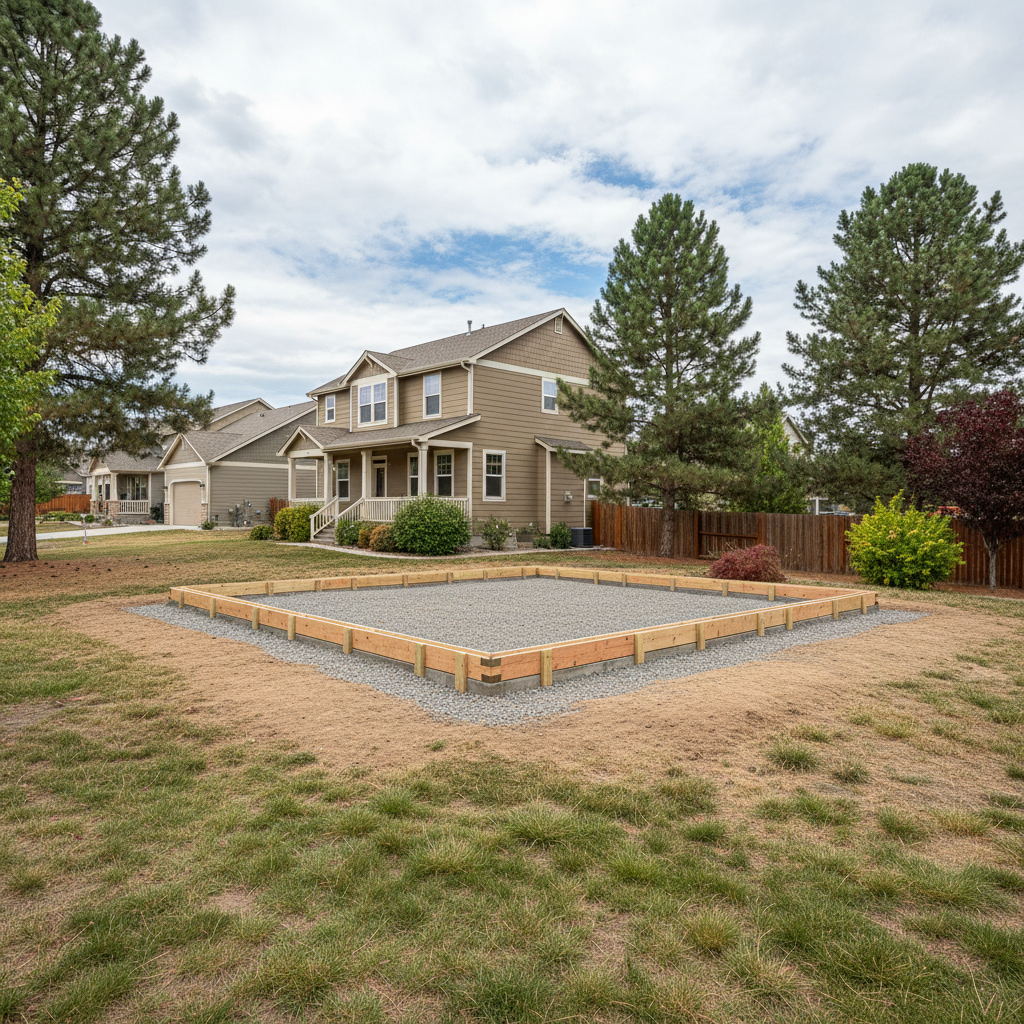
You're ready for a new shed. Maybe it's a workshop, extra storage, or even a backyard office. That's great! But before you start picturing paint colors and shelving, let's talk about something critical that often gets overlooked: the foundation.
A shed isn't just a box you plop down. Not if you want it to last, anyway. Here in Cheney, with our specific climate and soil, a solid foundation isn't just a good idea; it's essential. I've seen too many folks try to cut corners, only to have their shed shift, doors stick, or even worse, start rotting from the ground up after a few seasons.
Why Foundations Aren't One-Size-Fits-All
You might think a shed foundation is simple, and sure, for a tiny, temporary structure, maybe it is. But for anything substantial that you want to use for years, you need to think about what's underneath. The ground here in Cheney isn't always uniform. We've got areas with pretty rocky soil, especially closer to the basalt flows, and then you hit spots with more clay or even some of that loose, silty stuff that can really move when it gets wet or freezes.
That freeze-thaw cycle we get every winter? It's brutal on anything not properly anchored or designed to handle it. Water gets into the soil, freezes, expands, and pushes things up. Then it thaws, and everything settles back down, often unevenly. This 'heaving' can wreak havoc on an improperly built foundation, leading to structural problems for your shed.
Common Foundation Types for Cheney Sheds
When you're building a shed, you've got a few main options for the foundation. Each has its pros and cons, and what's best for you depends on your shed's size, its intended use, and your budget.
Concrete Slab: This is a popular choice for larger, heavier sheds or workshops where you might have heavy equipment. It's durable, provides a solid, level floor, and keeps moisture out. But it's also the most involved and usually the most expensive. You've got to dig it out, lay down gravel, rebar, and then pour concrete. Getting the drainage right around the slab is key, especially if you're in one of those lower-lying areas near Salnave Road where water can pool.
Gravel Pad: For many medium-sized sheds, a well-built gravel pad can be a great option. It's more affordable than concrete and provides excellent drainage. You'll typically excavate the area, lay down a weed barrier, and then fill it with compacted gravel. The key here is proper compaction and ensuring the pad is perfectly level. It's a good choice for storage sheds or garden sheds.
Skid Foundation: This is where your shed sits on pressure-treated runners (skids) that are themselves resting on concrete blocks or a gravel base. It's often used for smaller, pre-built sheds because it allows for some portability. It's generally the most budget-friendly option, but you still need to ensure the ground underneath is level and stable, and that the skids are properly supported to prevent sagging over time.
Pier and Beam: This involves concrete piers dug below the frost line, topped with beams that support the shed's floor joists. It's excellent for sloping sites or if you want to keep the shed completely off the ground. It offers superior ventilation, which is a big plus for preventing moisture issues, especially with our occasional wet springs.
Why Local Expertise Matters Here
You can read all the DIY guides online, but they won't tell you about the specific challenges of building in Cheney. They won't tell you about the clay content in some of the soil up by the high school that makes drainage tricky, or how to deal with the rock you might hit when digging a footing out near the golf course. A local builder, someone who's actually worked on projects around here, knows these things.
We understand the local building codes, which can sometimes be more specific than you'd think, even for a shed. We know what materials hold up best against our winters and hot, dry summers. We've got relationships with local suppliers for the right gravel, concrete, and lumber. When Cheney Shed Builders takes on a project, we're not just building a shed; we're building it to last in this environment.
Getting the foundation right from the start saves you headaches and money down the road. It means your shed doors won't jam, your floor won't sag, and your investment will stand strong for years to come. Don't underestimate the base your shed sits on; it's literally the groundwork for everything else.