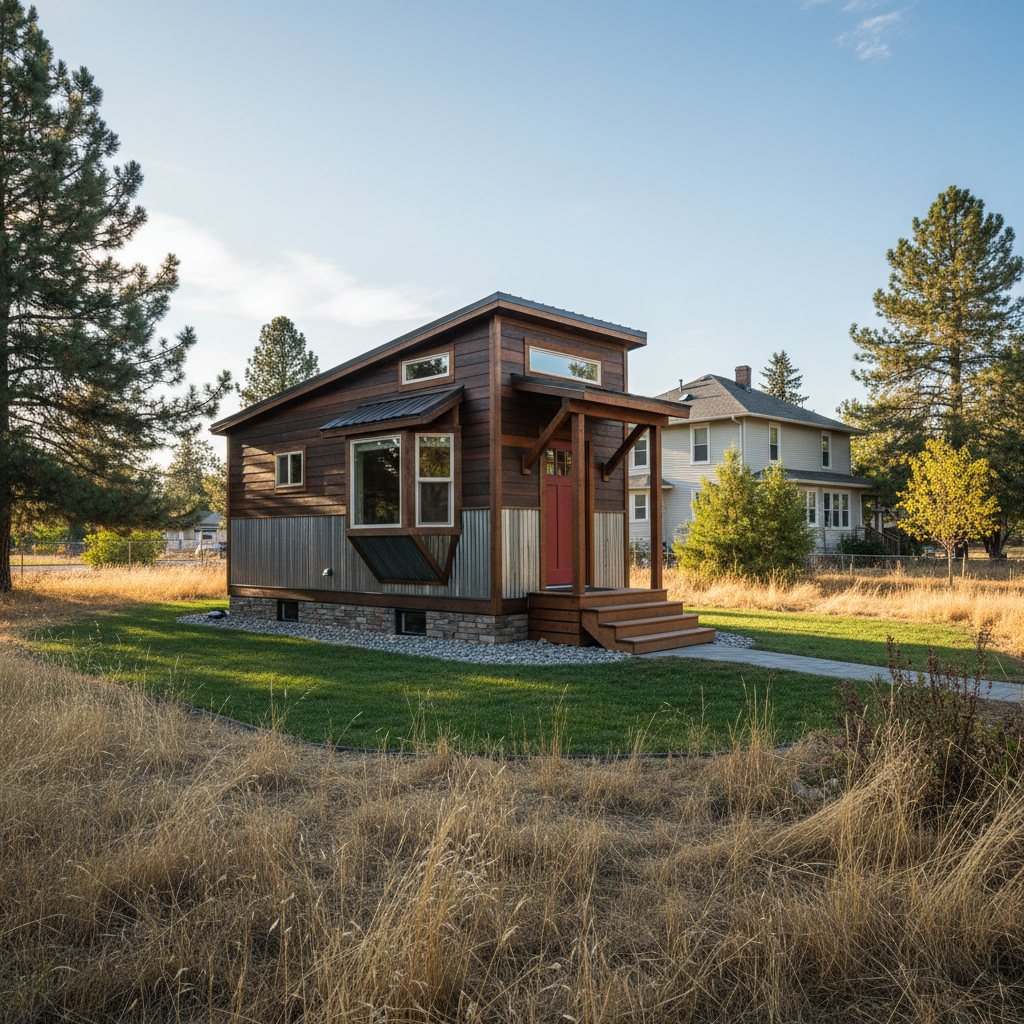
So, you're dreaming of a tiny home. Maybe it's for a backyard office, a guest suite, or even a full-time downsize. It's a great idea, and I've seen some fantastic tiny homes go up around here. But I've also seen folks make some pretty big blunders that could've been avoided. As a local builder, I want to share the most common mistakes I see homeowners in Cheney make when they're planning or hiring for a tiny home project.
Ignoring Local Zoning and Permits
This is probably the biggest one, and it's where most people get tripped up right out of the gate. You can't just plop a tiny home down on your property and call it good. Cheney, like any other city, has specific zoning ordinances and building codes you have to follow. Is your property zoned for an Accessory Dwelling Unit (ADU)? What are the setback requirements? How about utility connections – water, sewer, electricity? I've seen people buy a pre-built tiny home only to find out it doesn't meet local codes for a permanent structure, or they can't get the permits to connect it to utilities. You might think, "It's just a small building," but the city treats it like any other structure. Before you even look at designs or talk to builders, call the City of Cheney Planning Department. Get the facts straight. It'll save you a ton of grief and potential fines down the road.
Underestimating Utility Costs and Logistics
Speaking of utilities, this is another huge blind spot. People often focus on the cost of the structure itself and forget about the infrastructure needed. Running water and sewer lines, especially if your tiny home is far from your main house, can be a significant expense. Electrical hookups need to be done right and inspected. What about internet? Will you need a separate meter? Don't assume you can just run a garden hose and an extension cord. For a proper tiny home, you'll need proper utility connections. I've seen projects stall for months because homeowners didn't budget for trenching, plumbing, and electrical work. Get quotes for these services early on. It's not just about the tiny house itself; it's about making it livable and compliant.
Choosing the Wrong Builder or Supplier
This one really grinds my gears because it's so preventable. There are a lot of companies out there selling tiny homes or promising to build them. Some are great, some... not so much. The biggest red flag? Someone who tells you not to worry about permits. Run. Seriously. Any legitimate builder knows the rules and will insist on following them. Another thing to watch for is a builder who can't give you a clear, detailed quote. If it's just a number on a napkin, that's trouble. Ask for references, and actually call them. Look at their past work. Are they licensed and insured? Do they understand our local climate? We get some serious winds out here in Cheney, and cold winters. You need a structure built to withstand that, not some flimsy kit from a warmer climate. At Cheney Shed Builders, we know what it takes to build a durable structure that stands up to Eastern Washington weather.
Skimping on Insulation and Foundation
This ties into our local climate. I've seen tiny homes built with minimal insulation, and let me tell you, you'll regret that come January when it's 10 degrees outside and your heating bill is through the roof. Proper insulation isn't an option; it's a necessity. The same goes for the foundation. A tiny home needs a solid, level foundation. Whether it's a concrete slab, piers, or a well-engineered skid foundation, it needs to be done right. I've seen tiny homes settle, doors stick, and floors sag because the foundation was an afterthought. Don't cut corners here. It's the base of your entire project, and fixing foundation issues later is a nightmare.
Not Planning for Maintenance
Just because it's tiny doesn't mean it's maintenance-free. What kind of siding are you using? Will it need regular painting or staining? What about the roof? Are the gutters going to be easy to clean? Think about access for repairs. If your tiny home is tucked away in a tight spot, will you be able to get equipment in there if you need to replace a window or repair a wall? Plan for the long haul. A little foresight now can save you a lot of headaches and expense down the road. A well-planned tiny home can be a fantastic asset, but you've got to go into it with your eyes wide open.