Before You Start: The Paperwork and Planning
So, you're dreaming of a tiny home. That's great! They're a smart way to add space, whether it's for an aging parent, a growing kid, or even a rental. But before you even think about swinging a hammer, you've got to deal with the paperwork. This is where a lot of folks get tripped up, and honestly, it's not the fun part, but it's crucial.
First, zoning. Cheney's got specific rules about accessory dwelling units (ADUs), which is what your tiny home will likely be classified as. You can't just plop one down anywhere. You'll need to check with the city's planning department. They'll tell you about setbacks from property lines, maximum sizes, and if you can even have one on your lot. Don't skip this step. Trust me, it's a lot cheaper to find out you can't build one now than after you've bought materials.
Next, permits. You're going to need them for pretty much everything: foundation, framing, plumbing, electrical, and mechanical. Even if you're building it on wheels, if it's going to be parked permanently and hooked up to utilities, it's going to fall under local building codes. This isn't something you can really DIY unless you're a licensed architect or engineer. You'll need plans drawn up that meet code, and those plans will need to be approved. This is usually where I tell people, if you're not comfortable navigating blueprints and city regulations, hire someone who is. A good general contractor or even a specialized tiny home builder can handle this part for you. It's an investment that pays off by avoiding costly mistakes or, worse, having to tear something down.
During the Build: What You Can Tackle
Alright, permits are approved, plans are in hand. Now for the fun stuff – building! This is where you can definitely save some money by doing things yourself, but you've got to be realistic about your skills and time.
Foundation work? If it's a permanent foundation, like a concrete slab or piers, that's usually best left to the pros. It needs to be perfectly level, properly reinforced, and meet frost depth requirements, especially with our Cheney winters. You don't want your tiny home shifting and cracking because the foundation wasn't done right. However, if you're doing a simpler block or skid foundation for a smaller, more mobile unit, you might be able to tackle that yourself with some careful planning and a good level.
Framing is another area. If you've got experience with carpentry, know how to read plans, and understand load-bearing walls, you can probably frame it yourself. It's mostly about cutting straight and nailing accurately. But if you're new to it, a framing crew can get it done fast and right. They've got the tools and the know-how to make sure everything's plumb and square, which is critical for everything that comes after.
Insulation and interior finishes are prime DIY territory for many homeowners. Installing insulation, hanging drywall, painting, laying flooring – these are all skills that can be learned with a little patience and YouTube. You can save a ton on labor costs here. Just make sure you're doing it right, especially the insulation. A well-insulated tiny home is key to keeping those utility bills down, especially when the east winds are howling through town.
Now, plumbing and electrical. Unless you're a licensed plumber or electrician, don't even think about DIYing these. Seriously. Not only is it dangerous if done wrong, but it's also illegal in most places to do your own electrical or plumbing without a license. Plus, you won't pass inspection. You need certified pros for this. They'll make sure everything is up to code and safe. This is one area where cutting corners will absolutely come back to bite you.
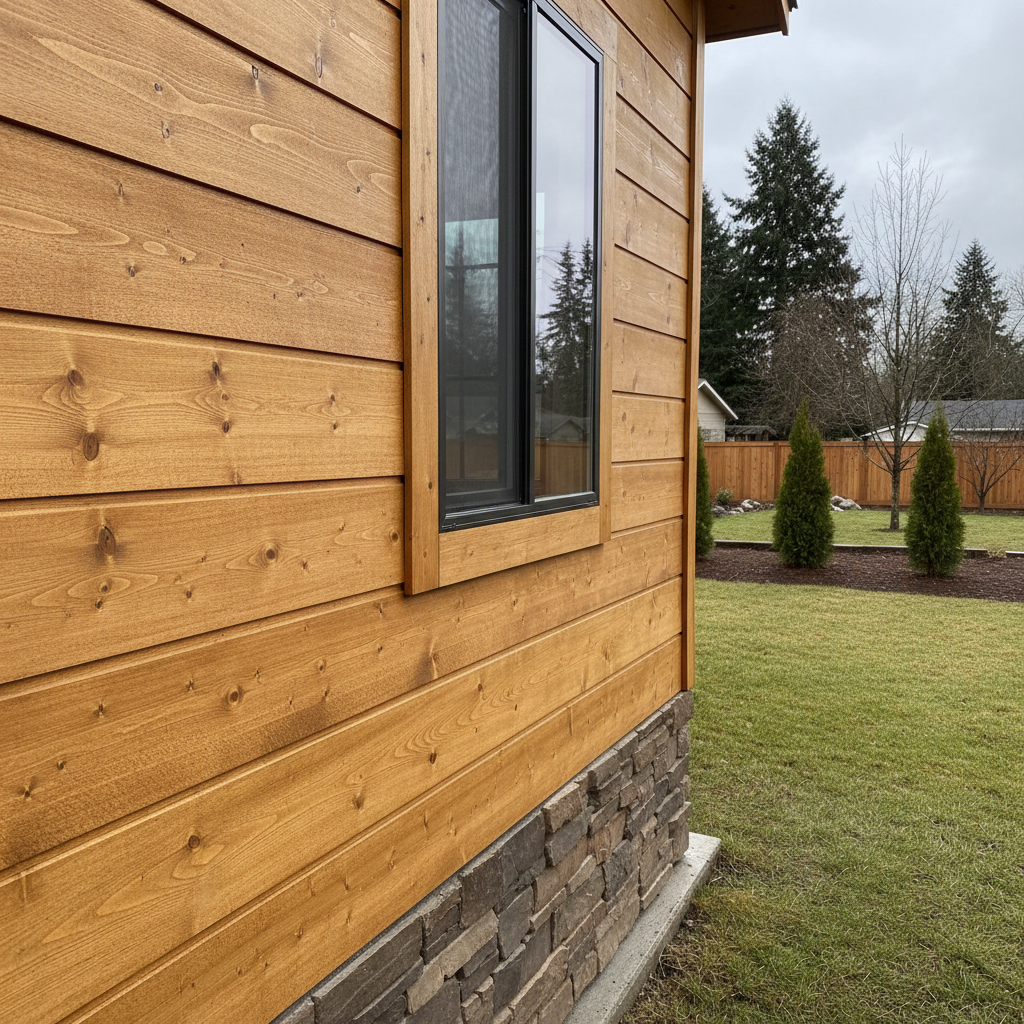
For things like siding and roofing, if you're comfortable on a ladder and have a good understanding of flashing and weatherproofing, you might be able to do it. But remember, the roof is your home's first line of defense against our Pacific Northwest weather. A leaky roof is a nightmare. If you're unsure, get a professional. We've built plenty of sheds and tiny homes at Cheney Shed Builders, and I can tell you, a solid roof and watertight siding are non-negotiable.
After It's Built: The Final Touches and Maintenance
So, your tiny home is built, inspected, and you've got your occupancy permit. Congratulations! Now it's time for the fun part: making it a home. Landscaping, building a small deck or patio, setting up garden beds – this is all stuff you can definitely do yourself to personalize your space. You can even build some custom shelves or furniture to maximize the small footprint.
Maintenance is key with any home, and tiny homes are no different. Regular checks for leaks, keeping gutters clean, inspecting your siding and roof for wear and tear – these are all things you should be doing. Because they're smaller, issues can sometimes feel more immediate. Stay on top of it, and your tiny home will serve you well for years to come.
Ultimately, a tiny home project is a journey. There are parts you can absolutely crush yourself, and there are parts where bringing in an expert is not just smart, it's essential. Know your limits, plan carefully, and don't be afraid to ask for help when you need it. It'll make the whole process a lot smoother.