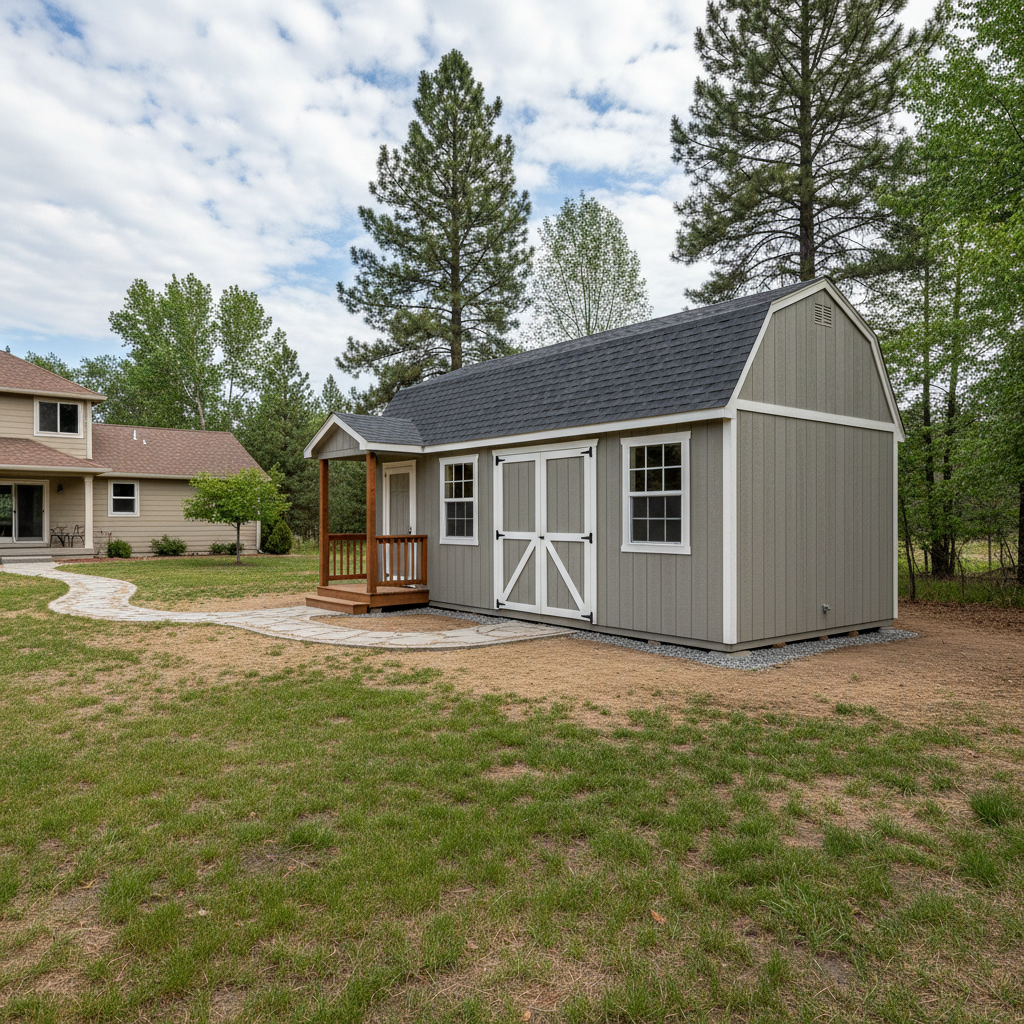
So, you're ready to add a custom shed to your property. That's a smart move, whether it's for storage, a workshop, or even a backyard office. But before you jump in, you've got to understand the process. It's not just about picking a design; there's a whole journey from idea to finished structure. I've seen a lot of projects come and go here in Cheney, and I can tell you, the ones that go smoothly are the ones where the homeowner knows what to expect.
Setting Your Project Timeline
Let's talk timeline first, because that's usually the first thing folks ask about. A custom shed project isn't an overnight deal. From our first chat to the day we hand you the keys, you're generally looking at anywhere from 4 to 12 weeks, sometimes more depending on complexity and the time of year. Why such a range? Well, a lot of factors play into it.
- Design & Quote: This is where we figure out exactly what you want. It might take a few back-and-forths to get the perfect size, style, and features. Give this a week or two.
- Permits: This is often the biggest variable. In Spokane County, and especially within Cheney city limits, you'll need to check local zoning and building codes. For anything over 200 square feet, or if it has electricity or plumbing, you're almost certainly going to need a permit. This can take anywhere from a couple of weeks to over a month, depending on how busy the city is and how quickly we can get all the necessary drawings and paperwork together. We'll help you navigate this, but it's not something we can rush.
- Material Procurement: Once the design is final and permits are in hand, we order materials. Lead times for lumber, roofing, windows, or specialized doors can vary. Lately, with supply chain issues, this can add a few weeks.
- Construction: This is the fun part, where your shed starts to take shape. Depending on the size and complexity, actual construction on site usually takes anywhere from a few days to two weeks. A small, simple storage shed will go up faster than a fully insulated workshop with electrical.
Factor in our schedule too. We're busy, especially during the warmer months. If you're planning for a spring or summer build, get us on your calendar early.
What to Expect During the Process
Once you've decided to work with us, here's the general flow:
- Initial Consultation: We'll meet, talk about your needs, your budget, and what you envision. We'll look at your property, discuss placement, and any site-specific challenges. For example, if you're on one of those older lots near Eastern Washington University with a lot of mature trees, we'll need to consider access and potential root systems.
- Design & Quote Presentation: We'll put together a detailed design proposal and a clear, itemized quote based on our discussion.
- Contract & Deposit: If you're happy, we sign the contract, and you'll put down a deposit to secure your spot and start the permit process.
- Permit Submission & Approval: We'll handle submitting the plans to the city or county. We'll keep you updated on its progress.
- Site Preparation: While permits are pending, you might need to do some site prep. This could mean clearing brush, leveling the ground, or ensuring we have clear access for our equipment and materials. We'll tell you exactly what's needed.
- Construction Begins: Once permits are approved and materials are on site, we get to work. We'll keep the site tidy and communicate any unexpected issues.
- Final Walkthrough: When it's all done, we'll do a walkthrough with you to make sure everything meets your expectations and our high standards.
How to Prepare Your Property
Getting your property ready makes a huge difference. First off, think about access. Can we get our truck and trailer, and potentially a small excavator, to the build site without tearing up your lawn or hitting your neighbor's fence? Clear any obstacles like old swing sets, garden beds, or anything else that's in the way. If you've got a sprinkler system, mark those heads! We don't want to accidentally hit one. Also, make sure you know where your underground utilities are – water, sewer, power lines. A quick call to 811 before any digging starts is always a good idea. We're not just talking about the shed footprint; we need space to work around it.
Questions to Ask Before Signing a Contract
Don't be shy. This is a big investment, and you deserve to feel confident. Here are some key questions to ask any contractor, including us at Cheney Shed Builders:
- What's included in the price? Get a detailed breakdown.
- Are you licensed and insured? Always ask for proof.
- What's your warranty on the structure and your workmanship?
- How do you handle changes to the plan once construction has started?
- What's your payment schedule?
- Who is responsible for obtaining permits? (We handle it, but it's good to know.)
- What's the estimated start and completion date?
- Can I see examples of your previous work, or speak to past clients?
- What kind of foundation do you use for sheds of this size and type?
- How do you handle site cleanup after the project is finished?
Asking these questions upfront saves headaches later. A good contractor will be happy to answer all of them clearly. We want you to be thrilled with your new shed, and that starts with a clear understanding of the whole process.